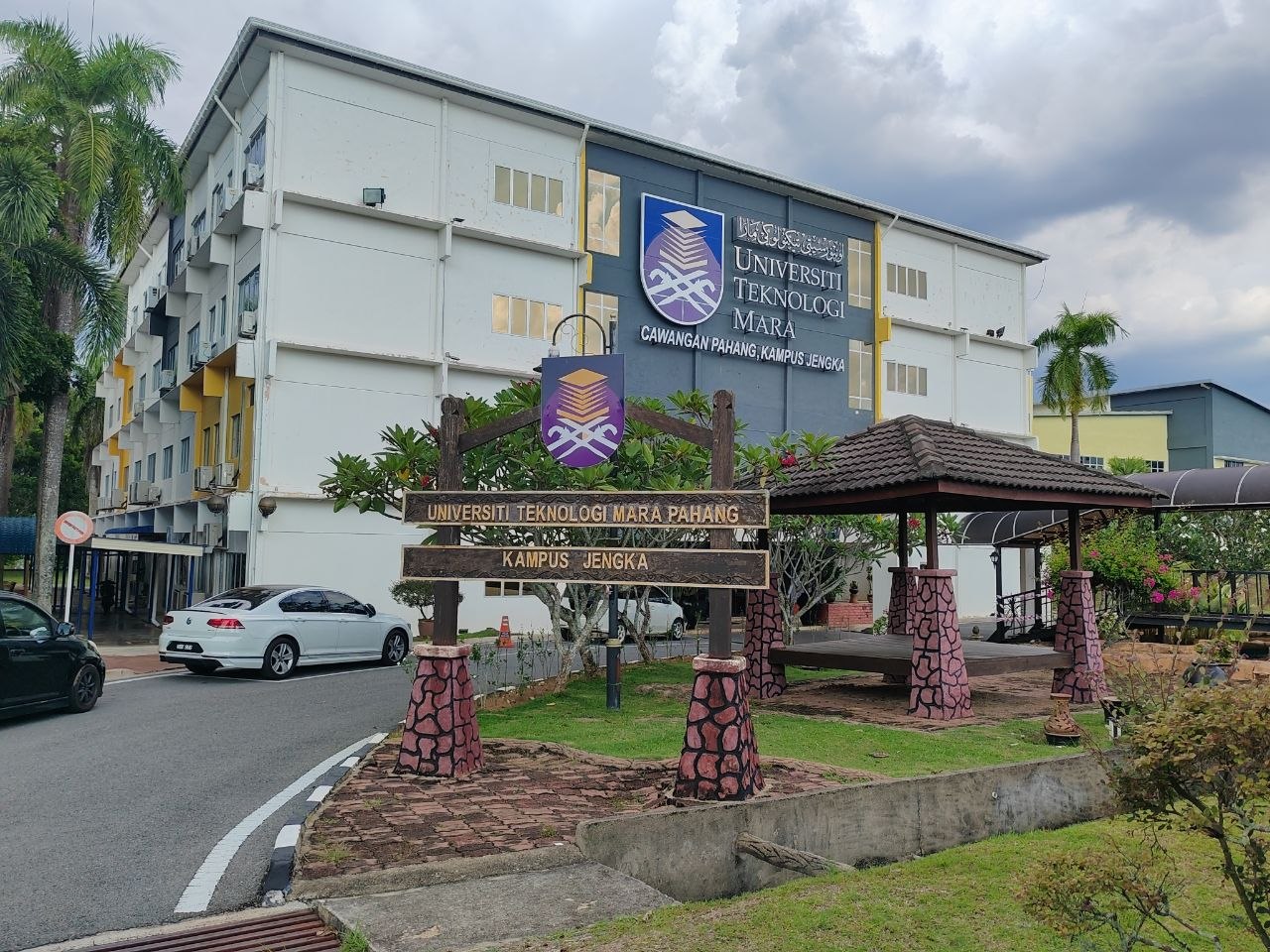
FKA UiTM Pahang
OBEHub
OBEHub is an Outcome-Based Education (OBE) management system developed to manage Course Outcomes (CO), Program Outcomes (PO), student assessments, and Continuous Quality Improvement (CQI) activities in a more organized and efficient manner.
Latest News
Faculty News & Updates
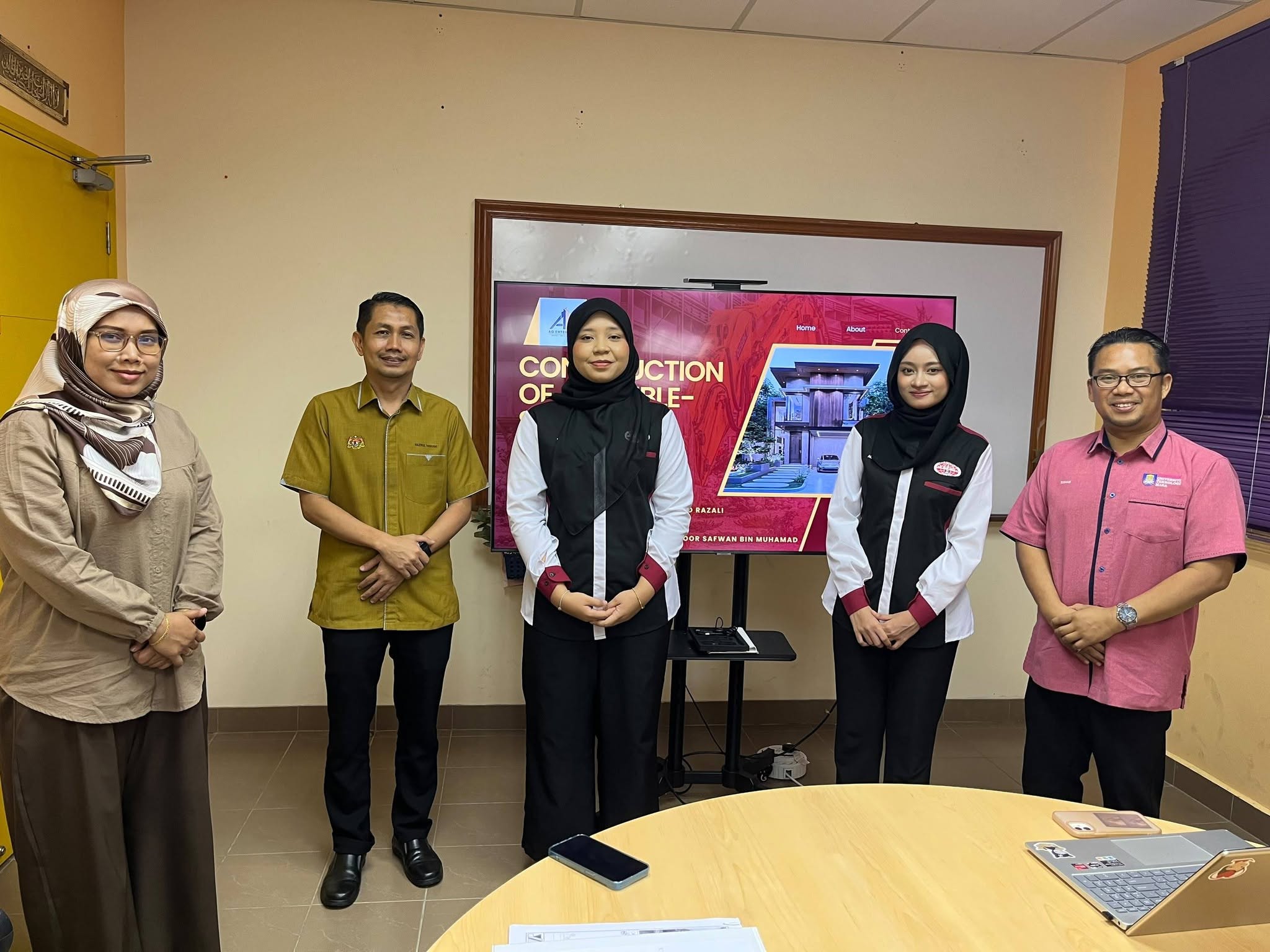
11 July 2026
Program Pembentangan Akhir Projek Reka Bentuk Kejuruteraan Awam
Program Pembentangan Akhir Projek Reka Bentuk Kejuruteraan Awam (Civil Engineering Design Project ECS358) telah berjaya dilaksanakan pada 11 Julai 2026, Sabtu, dari jam 8.30 pagi hingga 12.30 tengah hari di Bilik Perbincangan Blok Bidara, UiTM Cawangan Pahang, Kampus Jengka.
Read More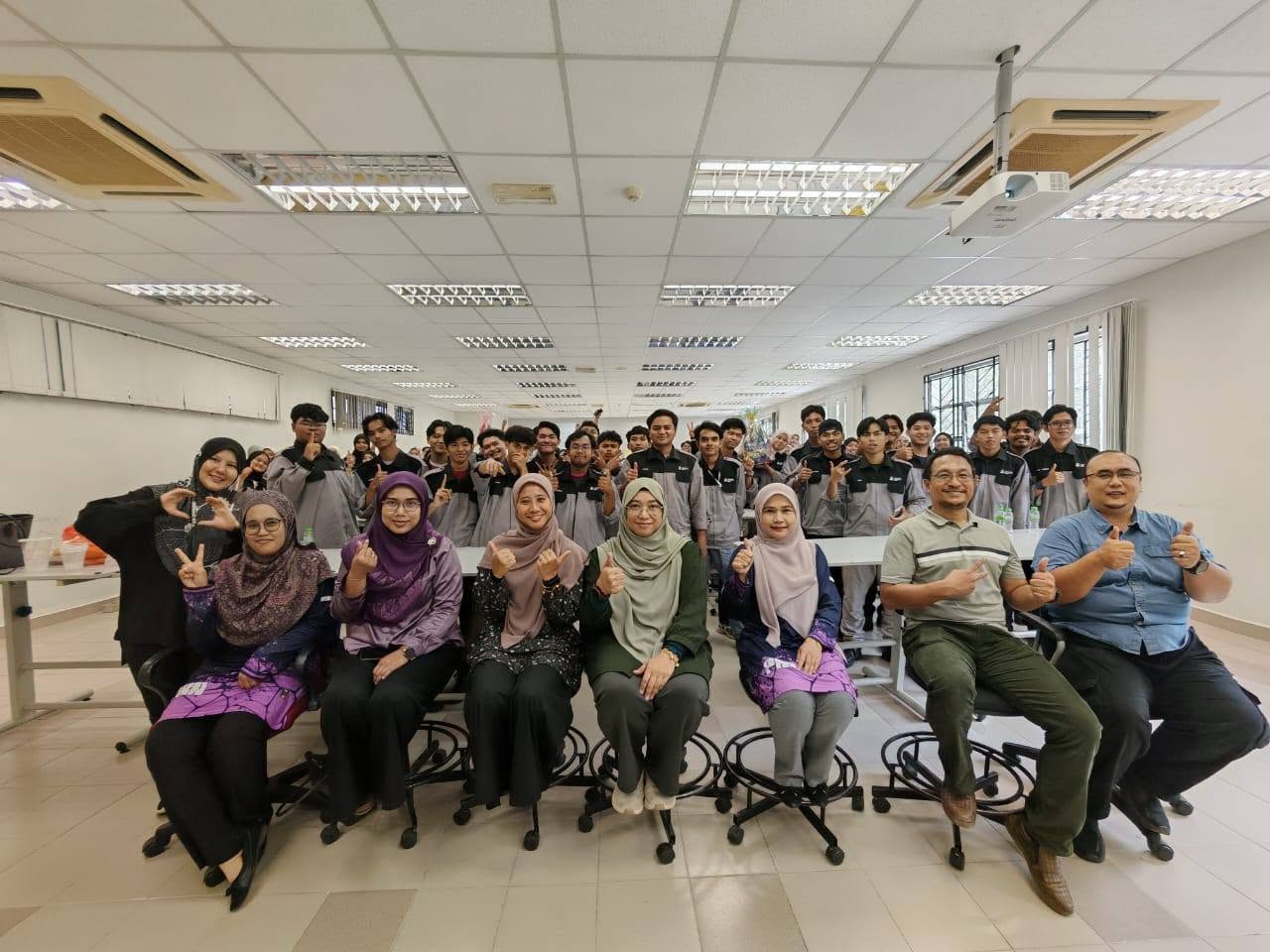
4 July 2026
Brick Design Project (Hollow Brick) Presentation
Alhamdulillah, telah berlangsung dengan jayanya program "Brick Design Project: Hollow Brick" bagi kod subjek Structural and Material Laboratory (ECS268). Program akademik yang penuh dengan inovasi dan kreativiti ini telah berjalan dengan lancar dari awal hingga akhir.
Read More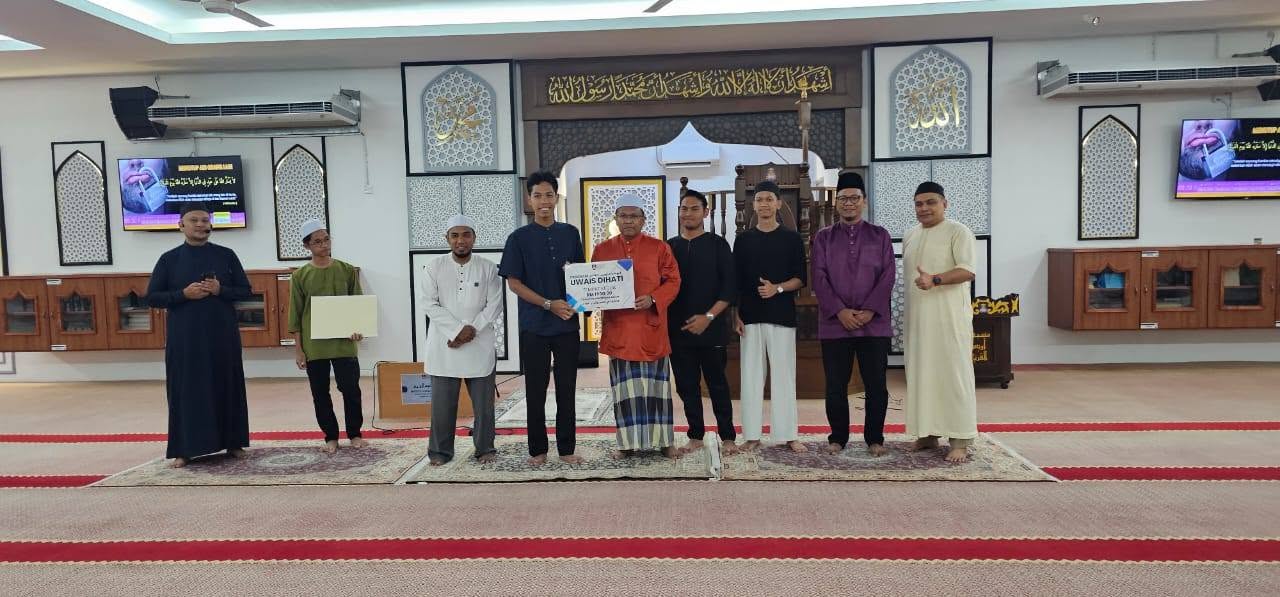
1 July 2026
Program Solat Hajat Perdana dan Majlis Aspresiasi Program Uwais di Hati
Syabas dan tahniah diucapkan kepada Persatuan Pelajar Fakulti Kejuruteraan Awam UiTM Cawangan Pahang- Cess Pahang atas penerimaan Anugerah Tempat Kedua Uwais di Hati sempena Program Solat Hajat Perdana dan Majlis Aspresiasi Program Uwais di Hati.
Read More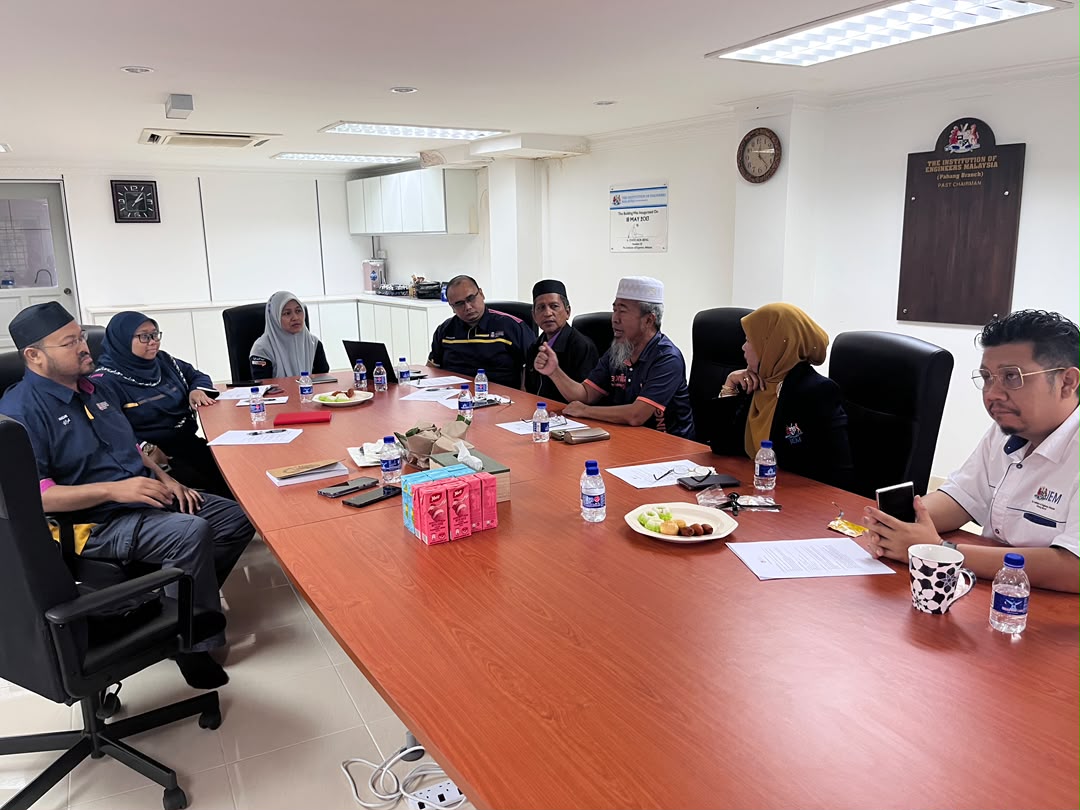
24 June 2026
Memperkukuh Sinergi: Perbincangan Kerjasama Dua Hala FKA UiTM Cawangan Pahang & IEM Cawangan Pahang
Satu mesyuarat perbincangan kerjasama dua hala antara Fakulti Kejuruteraan Awam (FKA), UiTM Cawangan Pahang bersama Institut Jurutera Malaysia (IEM) Cawangan Pahang.
Read MoreAbout Us
Faculty of Civil Engineering
Civil engineering is a multidisciplinary profession that focuses on the planning, design, construction, and maintenance of infrastructure essential to modern society, including buildings, transportation networks, water supply systems, and environmental facilities. The profession requires not only technical expertise but also strong leadership, project management skills, and a commitment to sustainability, innovation, and public safety.
The Faculty of Civil Engineering at UiTM Cawangan Pahang began its operations in December 1999 with the introduction of the Diploma in Civil Engineering programme. Today, the faculty offers the Diploma in Civil Engineering (EC110) and the Bachelor of Civil Engineering Technology (Construction) with Honours (EC224), providing students with the knowledge, practical skills, and professional values needed to excel in the construction and infrastructure industries.
Academic Areas
Four Civil Engineering Studies
Structural & Material Engineering
STRUCM
Geotechnical & Highway Engineering
GEOTREN
Water Resources & Environmental System
WRES
Construction Business & Project Management
CBPM
Programmes Offered
Academic Pathways
Diploma
EC110 - Diploma in Civil Engineering
View detailsBachelor's Degree
EC224 - Bachelor of Civil Engineering Technology (Construction) with Honours
View detailsMaster's Degree
EC750 - Master Of Science (Civil Engineering)
View detailsPh.D
EC950 - Doctor of Philosophy (Civil Engineering)
View detailsVision
To establish UiTM as a Globally Renowned University of Science, Technology, Humanities and Entrepreneurship.
Mission
To lead the development of agile, professional bumiputeras through state-of-the-artMission
To lead the development of agile, professional bumiputeras through state-of-the-art curricula and impactful research.
Objectives
- To expedite accessibility to higher education.
- To provide world-class education.
- To offer competitive academic programmes that fulfil market needs, spearhead national development and promote global prosperity.
- To produce well-balanced, entrepreneurial graduates who are globally competent.
- To strengthen the internationalisation of values via enhancement programmes.
- To sustain organisational excellence through effective and efficient governance.
- To champion impactful research through stronger research ecosystem.
- To strengthen strategic alliance with alumni and industries.
- To provide cutting edge ecosystem conducive for academic advancements.
- To regulate cost-effective financial practices towards organisational sustainability.
Client's Charter
- To provide a safe, conducive, and holistic learning environment.
- To respond to academic and administrative matters professionally and efficiently.
- To ensure that the quality of teaching and learning meets national and international standards.
- To strengthen strategic networks with industries, agencies, and communities.
EC110 Diploma in Civil Engineering
Programme Educational Objectives and Outcomes
Programme Educational Objectives
- Demonstrate civil engineering knowledge, competency and practical skills, including digital technology and numerical skills.
- Demonstrate effective communication and interpersonal skills when leading or working with stakeholders.
- Demonstrate professionalism, ethics and an entrepreneurial mindset for career development.
Statistics
Staff Statistics
Head of Study Center
Associate Professor
Senior Lecturer
Lecturer
Assistant Engineer
Students Statistics
Diploma Kejuruteraan Awam
Sarjana Muda Teknologi Kejuruteraan Awam (Pembinaan) Kepujian
Sarjana Kejuruteraan Awam